

People Before Employees: How James “JB” Bryant Built a Presence Everyone Wants to Be Around
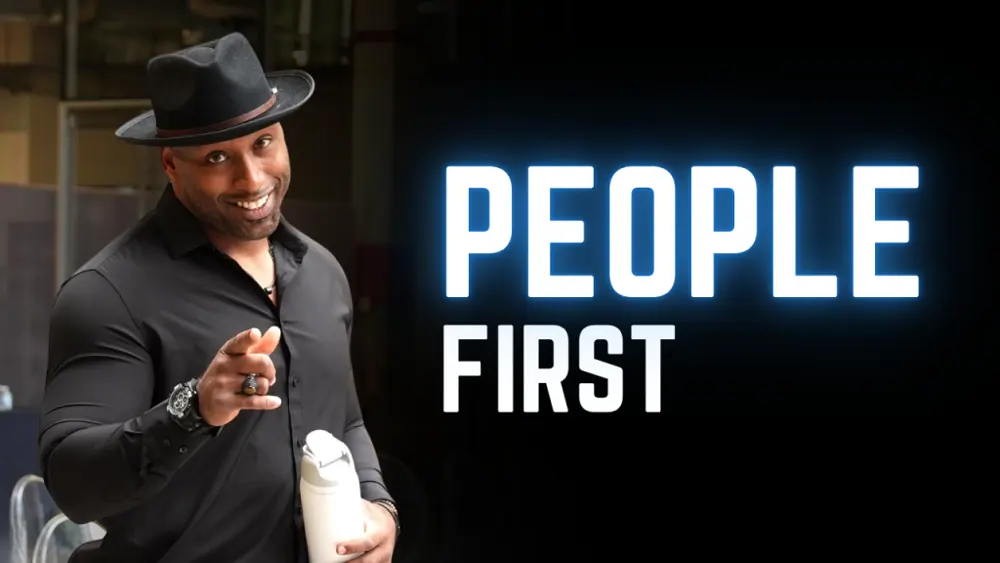
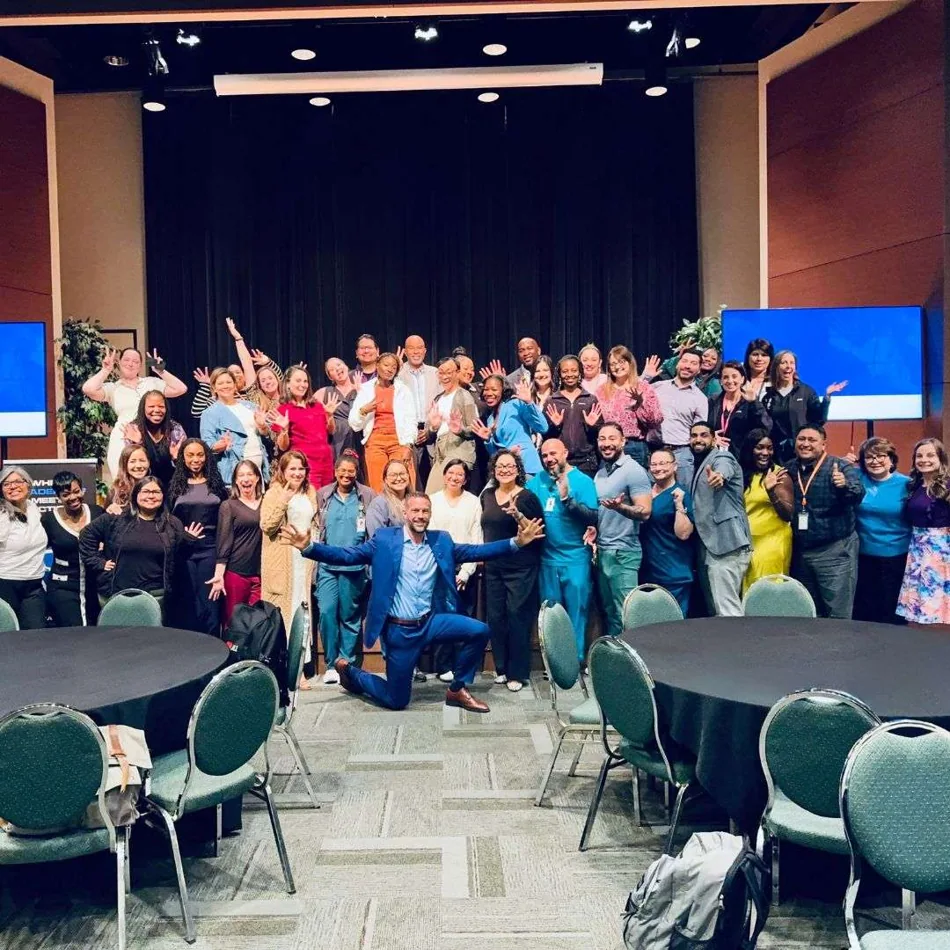
Building professional relationships that actually last starts with one shift: seeing people before you see their titles. James “JB” Bryant calls it “people before employees.” It’s the foundation of the presence he’s built, and it’s why executives trust him, follow him, and keep showing up for the communities he creates.
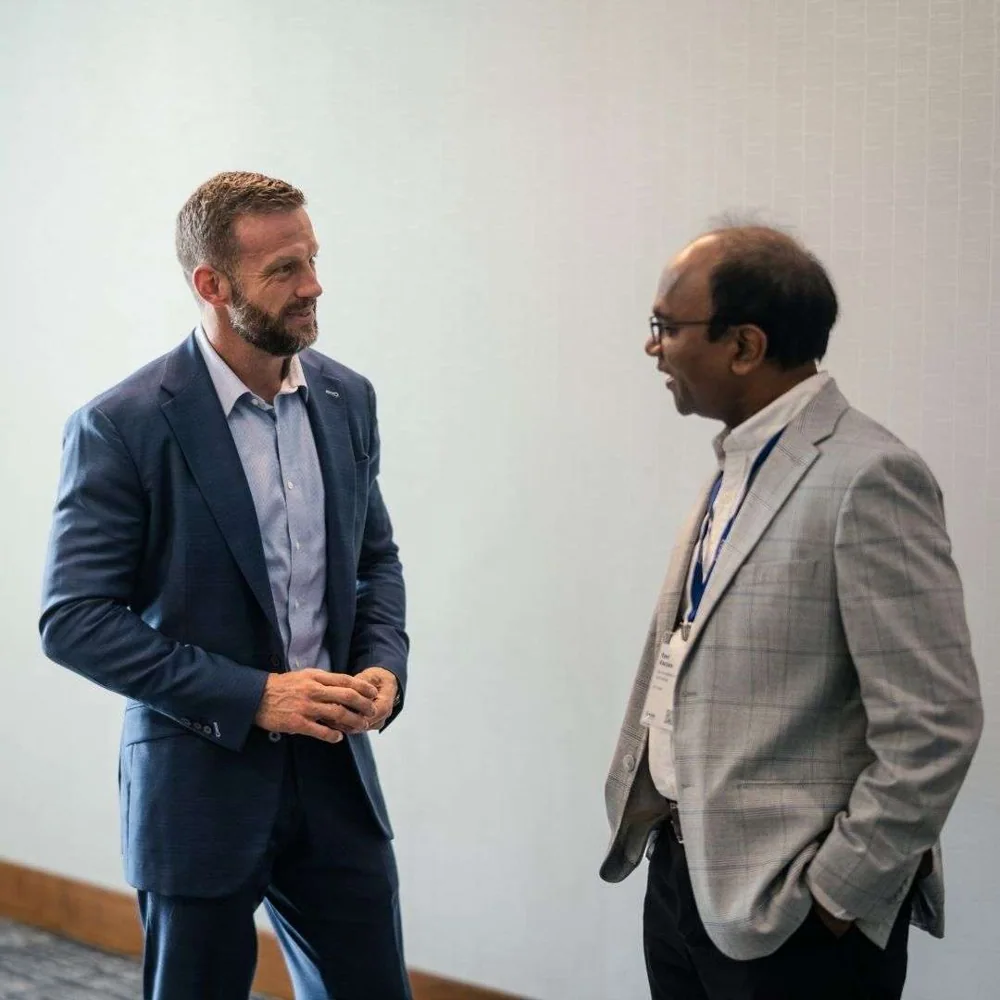
I met James Bryant, who everybody knows as JB, a little over a year ago. Laura Thibodeau introduced us, we jumped on a call, and we hit it off instantly. Then we met in person, and ever since then I can’t get enough of him.
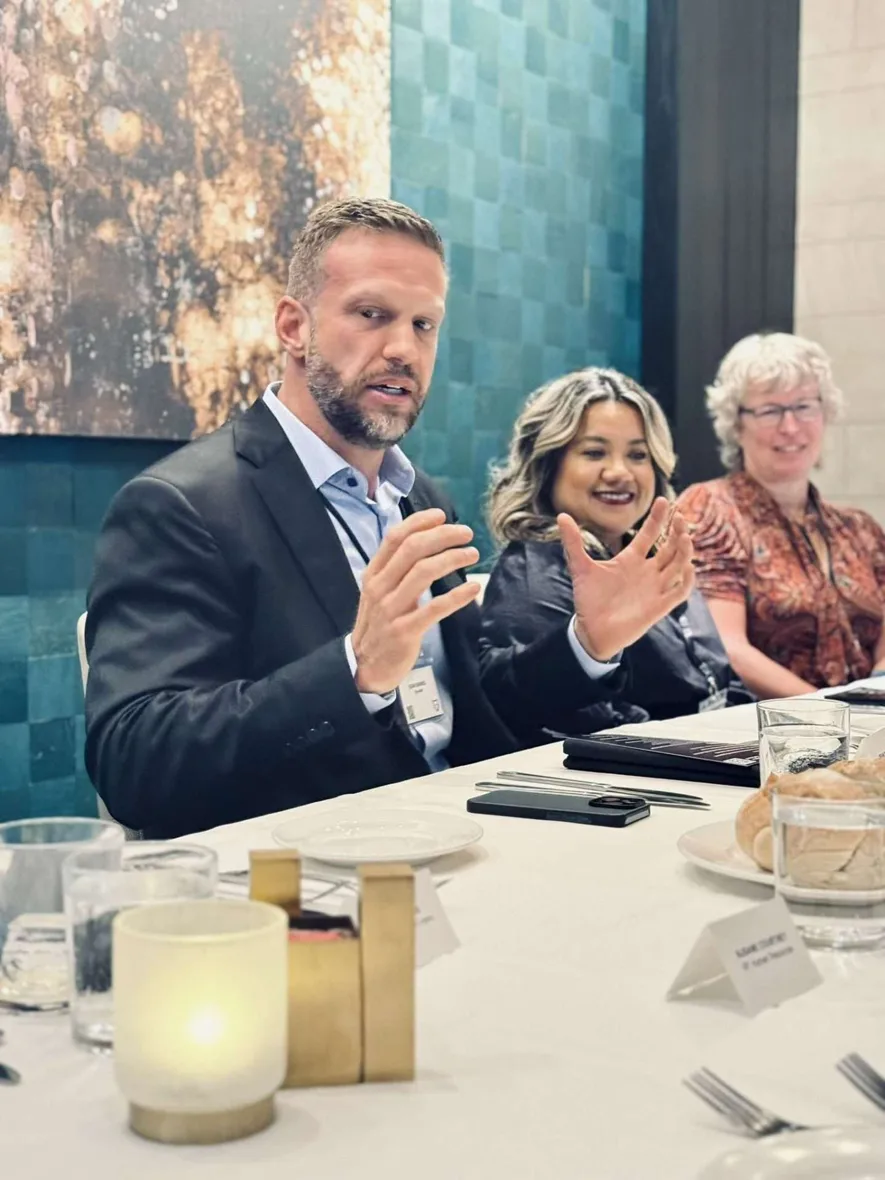
I talk a lot about executive presence. JB has his own commanding presence, the kind that makes everyone want to be around him. So when we were both aboard CruiseCon, I sat down with him to dig into how he built it.
Where Does Presence Come From?
I asked JB what goes through his mind when people describe his presence. His honest answer surprised me. He said sometimes he still doesn’t quite believe it.
When he thinks back on his journey, a lot of it started on the football field. He was the middle linebacker. He had control of the whole defense, and the team relied on him to make the calls.
After football, he became an entrepreneur, and he realized the only way to grow his community was to lead it. Listening to people, helping them build a game plan, helping them understand who they are.
Then he moved into the corporate world, and he thought he’d have to find a new identity. Instead, he realized he could bring that same energy into the executive space, where leaders want guidance on how to get their teams to be relentless about the mission and, most importantly, how to genuinely connect with them and help them grow.
How Do You Connect With Executives When You Feel Like an Imposter?
I asked JB whether it was hard to connect with cybersecurity executives coming from an athletic and entrepreneurial background.
He didn’t sugarcoat it. It was challenging. He looked at their titles, where they went to school, how long they’d been in the profession, and he felt like an imposter.
What changed it was realizing that at the end of the day, they’re just people. They’re fathers, mothers, brothers, sisters. That common ground of taking care of family and supporting your team made those conversations a lot more comfortable. Add in learning enough about cybersecurity to be dangerous, and being with an organization like AccessIT that has the tools to help solve their challenges, and in his words, it makes life a thousand times easier.
What Does “People Before Employees” Mean?
People before employees means valuing who someone is as a person over their title, their company, or what they can do for you.
JB puts it into practice every time he meets someone new. People want to tell him where they went to school, their degrees, and who they work for. He lets them. Then he asks:
“If I were to take away all your titles, your degrees, all the accomplishments you’ve had in your professional life, who are you as a person? Because that’s who I really want to get to know.”
His reasoning is simple. If he gets to know you, he’ll probably know you longer than you’ll work at your current company. You’ll move through a few different places before your career is done. The relationship lasts longer than the job title.
I think that’s where all of us have to start. Whether you’re building executive presence or just want to be warm and inviting, we get so caught up in managing projects, delegating, and holding people accountable that we forget to stop and ask, how are you doing today?
Why Leading With What You Sell Kills the Conversation
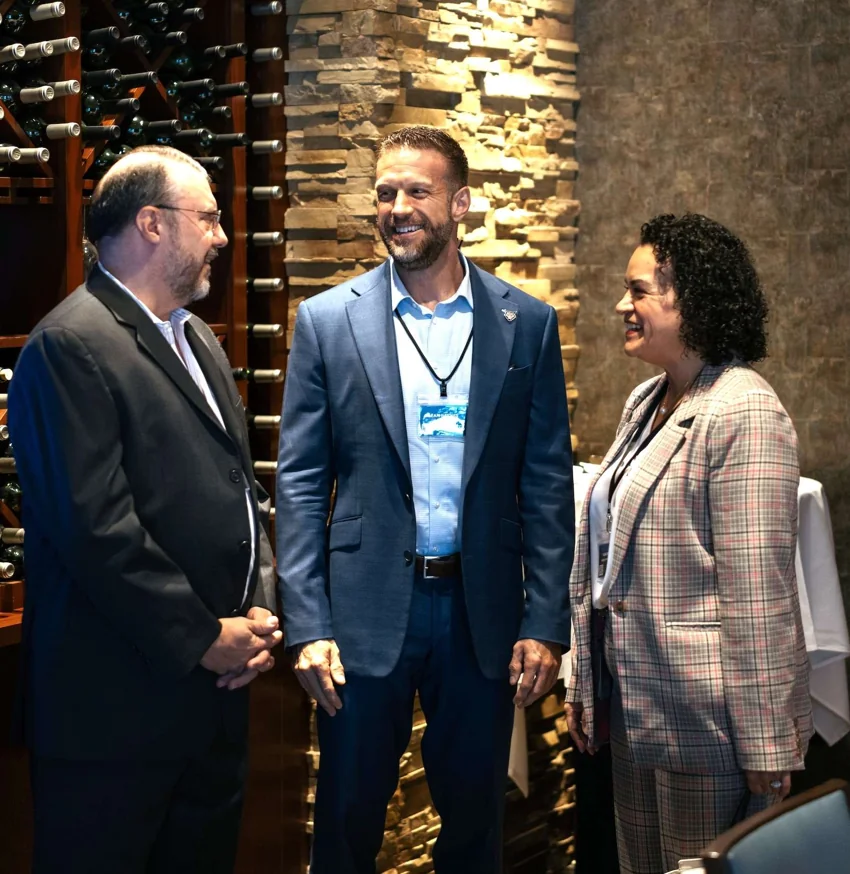
JB has been to several of our Wolf Executives dinners. Whenever I brought someone over to meet him, they’d immediately go to, so what do you do? What company are you with?
What I always appreciated is that JB never led with what he was selling. That came at the very end of the conversation, if it came up at all.
That’s a real differentiator. If I put my CIO hat on, I can’t count how many times I’ve rolled my eyes at a conference because somebody walks up and it’s, we do this, we do that. I don’t care.
JB explained that people judge you by your title the moment they see it. So when someone asks what he does, he says:
“I’m a cybersecurity community builder here in Houston, and my mission is to give you access to the things that you need to help your professional career grow.”
He also told me why that matters so much to him. After football, what he wished he’d had was somebody to tell him he was more than just a football player, and to point him in a direction where he could find success and use his passion for people. He didn’t have that. So now he tries to be that person for everyone he meets, so they feel comfortable, heard, and valued, and know they’re more than a line item for anybody’s financial gain.
What Makes a Professional Community Worth Showing Up For?
That mission is a big part of why JB built Cyber in Color.
He works with a lot of cybersecurity executives who’ve been at the same organization for ten years or more, or who are ready to move and don’t know who to talk to. They want to talk to their peers about roadmaps and real security challenges, but they’re siloed in their own organizations.
Cyber in Color gives them a place to have those conversations across industries. How are you handling this in manufacturing? In oil and gas? In energy? And they can do it without someone jumping in to say, we do that and we’re the best at it.
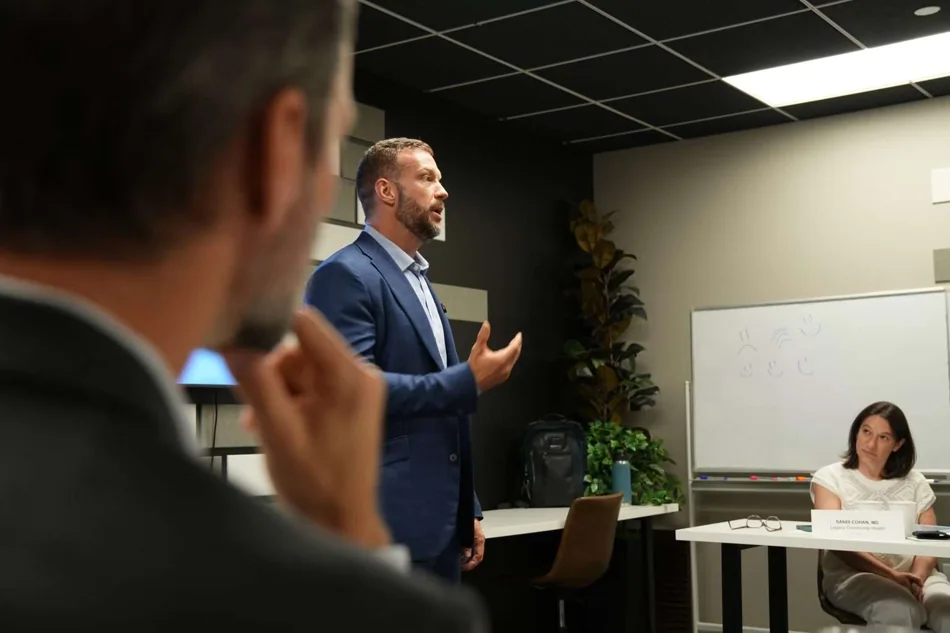
JB said the biggest takeaway from being a leader is having the appetite to listen, to learn from different perspectives, and to recognize you’re not the smartest person in the room. So his goal is to put all the smart people he knows in one room and let them talk.
Why the Room Matters More Than the Host
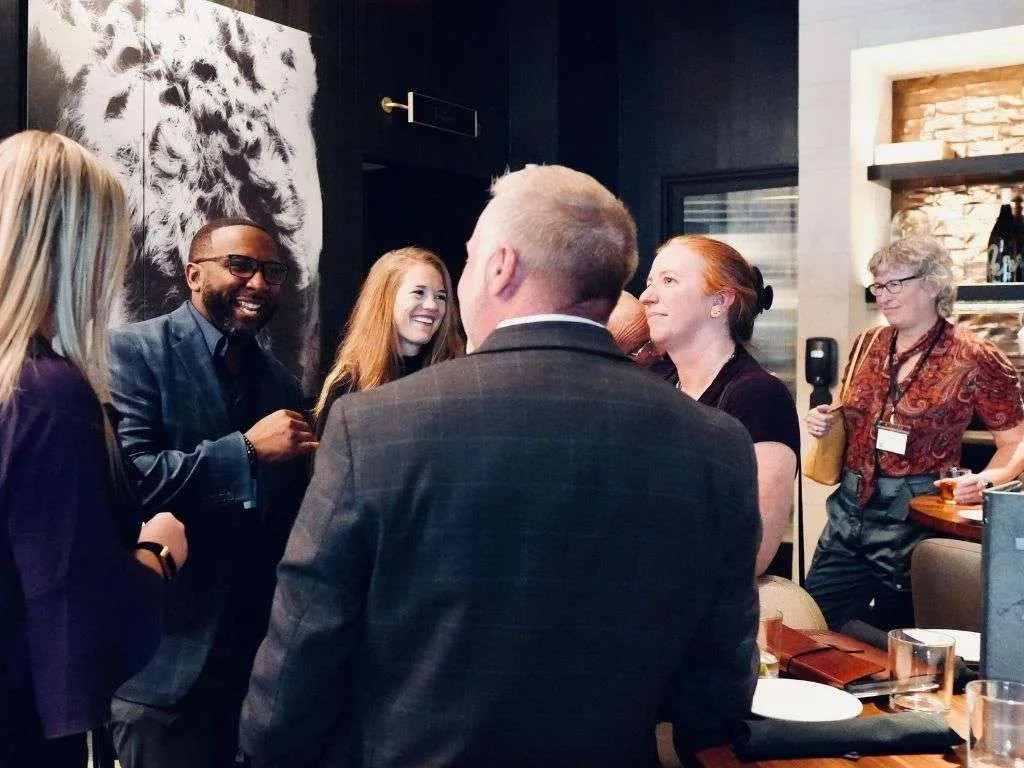
I’ve seen an explosion of communities over the past few years. Events, cruises, conferences, summits. Some of the executives I talk to bluntly tell me, I could go to 15 dinners a week if I wanted to. Their inboxes and LinkedIn DMs are blown up.
So they’re getting very intentional about where they spend their time. I think the differentiator for any event is who’s actually in the room. It’s not about coming to see JB, or coming to see me at a Wolf Executives dinner. It’s about their peers, and whether you can facilitate a conversation that’s thought provoking and meaningful enough that they walk away having learned something.
JB added a second piece. People also have to trust whoever is putting the event on. At Cyber in Color, they start with two claps on three and end with two claps on three, and in between, everybody walks away with four or five new contacts, four or five new ways to solve a challenge, and four or five people they want to bring to the next one.
It’s not just about packing the room. It’s about the experience people have.
How Do You Build Your Own Presence?
Earlier that day, I’d shared how I gradually built my own presence. But what worked for me might not work for you. So I asked JB what guidance he’d give someone who wants to be intentional about building theirs.
He said it happened for him in phases.
He started with a personality test. He didn’t really know what his values were. The results gave him a lot of aha moments. Yeah, I definitely do that.
Then he looked outward. When you’re lost looking inward, looking outward is a good place to start. He asked his wife, Amber, what value she sees him bring to the communities he’s part of. He asked his best friend, who he’s known since third grade.
He wrote the answers down. Once he started hearing the same themes, he wrote them down and thought about the moments where those traits showed up, and how they made him feel.
He decided how he wanted people to feel. His vision was, if I want someone to feel like this, I need to do these things. Then he very intentionally acted, spoke, engaged, responded, and ended every interaction so people walked away thinking, I really appreciate what JB said. I’m glad I bumped into him.
That became his foundation. Leading with integrity, serving everyone who comes into his community, helping them reach their personal and professional goals, and having the grit to do all of that every single day. No matter how busy he gets, he feels responsible for his community. In his words, they’re his team.
Why Behavioral Assessments Are a Cheat Code
The common thread between JB’s story and mine is that both started with a behavioral assessment.
When I first started leading human resources, I learned very quickly that the introverted IT guy was not going to succeed leading a team of bubbly, extroverted HR professionals. Not until I learned how to adapt.
We brought in a third party to run DISC assessments for the whole team, along with a Five Dysfunctions of a Team workshop. It completely opened my eyes. I thought I operated one way, and the assessment showed me how I actually operated and how others saw me.
It was also a cheat code for reading other people. When you can read people and mirror their energy, you connect with them. The more you connect, the more you can support them and lift them up. Because how can I help you be successful if you don’t trust me? That trust, respect, and rapport is what opened the door to me leading more teams.
How Little It Takes to Lift Someone Up
It’s crazy how little genuine support it takes to lift someone up. Everybody’s going through something, and some people just hide it better than others. A simple, hey, I believe in you, you’ve got this, can light someone up.
JB said we have to bring that into our professional spaces, even when it’s a reach. Pick up on the energy. Something’s not right with someone, so check in:
“You’re not you right now, and I know it. You don’t have to tell me what’s going on, but know this. I believe in you, and whatever’s happening right now will pass.”
Then give them a hug, give them a dap, whatever it may be. They don’t have to share any details. But now they know they have someone they can go to.
When a Check In Matters More Than You Know
This isn’t always easy. We all have our own stuff going on.
I’ve been mentoring someone out of state who calls and texts a lot, and honestly, it’s been hard to find the time. One day he sent me a message asking if I could talk, and something about it felt different. So I called him on my drive home from a customer’s office.
He was in a very dark place. Once I realized how serious it was, my whole demeanor shifted, and I understood why I was on that call. I very well may have helped him through that evening.
It takes a lot of courage to reach out when you’re in a dark place. Even when we’re busy and stressed, we have to find a way to be there for that person.
If you or someone you know is struggling, you can call or text 988 to reach the 988 Suicide and Crisis Lifeline in the U.S.
The Power of Picking Up the Phone
JB said sometimes it doesn’t take a long conversation. Just hearing your voice can change somebody’s mindset.
One thing people love about JB is that when they call, he picks up. If he can’t, he texts back that he’ll call right after. He works out at five in the morning, and people know they can text him at 5:30 about work, home, or life. He sees that as a privilege, because only people who feel really close to you reach out at that hour. And sometimes they just need a little bit of JB.
Stop Waiting for Someone to Open the Door
I asked JB what advice 20 year old JB needed to hear. He didn’t hesitate:
“Stop waiting around for somebody to do it for you. Go make the tackle. Go make the play.”
Not on the field, but in your personal and professional life. Go make the call. Go send the email. Go take care of your family. Go find more people for your community. It’s no different from making a tackle, because you already have the mindset, the speed, and the ability. Now that he has a solid foundation and understands his identity, he feels like he has all the pads and tools he needs to just go make the play.
I don’t think we could have ended on a better note.
For about the first two decades of my career, I was constantly waiting for a door to open. Why didn’t I get that opportunity? Why won’t they give me a seat at the table? Then one day, I just decided to go sit down at the table. And nobody kicked me out.
If you’re struggling with how to make your next move, just make the move.
JB, thank you for everything you do.
Frequently Asked Questions About Building Professional Relationships
What does “people before employees” mean?
It’s James “JB” Bryant’s philosophy of valuing who someone is as a person over their title, company, or what they can do for you. Relationships built that way tend to outlast any single job.
How do you build professional relationships with senior executives?
Remember that executives are people first. Get to know who they are outside their titles, don’t lead with what you’re selling, and show up consistently with genuine interest in helping them succeed.
How do I stop feeling like an imposter around executives?
JB Bryant felt like an imposter when he compared himself to executives’ titles and education. What helped was focusing on what you have in common as people, like family and supporting a team, while continuing to learn their world.
How do I build my own presence?
JB recommends starting with a personality or behavioral assessment, then asking people close to you what value they see you bring. Write down the common themes, decide how you want people to feel after interacting with you, and act on it intentionally every day.
Why do behavioral assessments help with presence?
Assessments like DISC help you understand how you actually operate and how others see you. They also make it easier to read other people and match their energy, which builds trust and connection.
How can I support a colleague who seems to be struggling?
Check in, even briefly. Let them know you notice, that they don’t have to share details, and that you believe in them. Small moments of genuine support can change someone’s whole outlook.
Build Relationships That Open Doors
Wolf Executives works with leaders across Houston who want to show up in a way that makes people want to be around them. If you want help building your presence and the relationships that come with it, let’s have a conversation.
About the Author
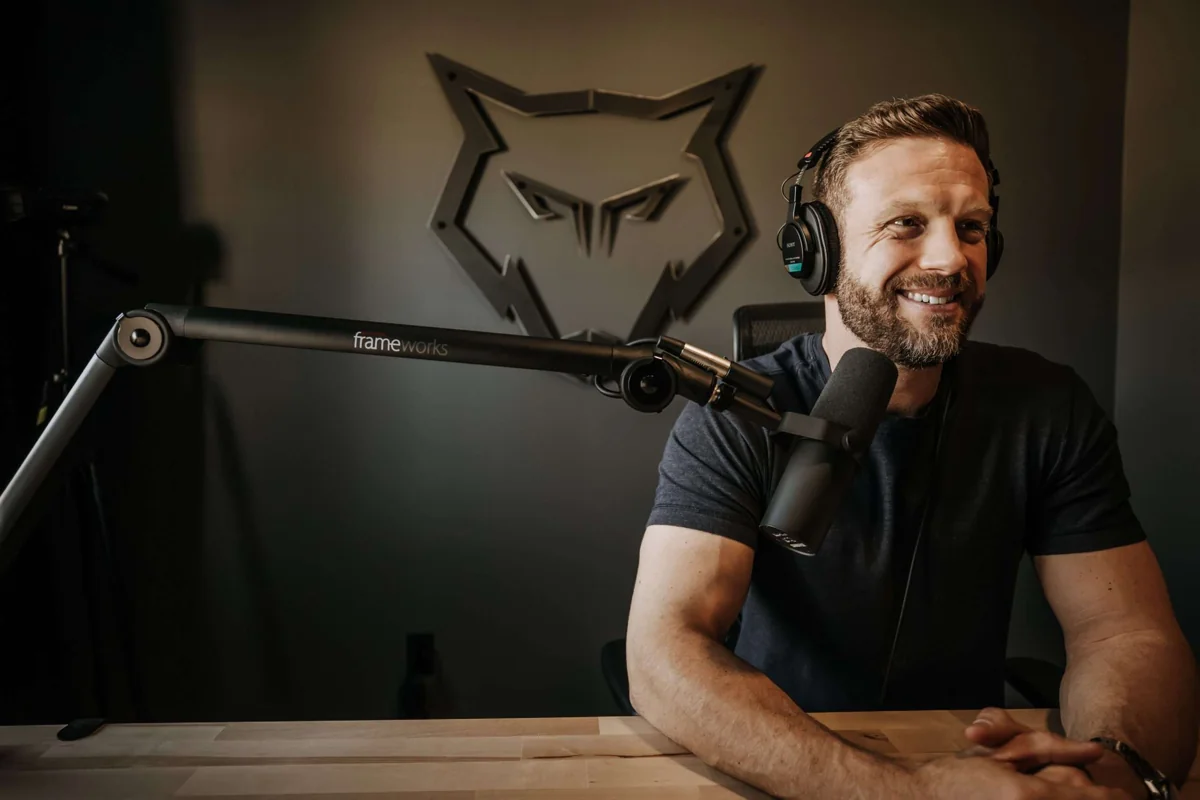
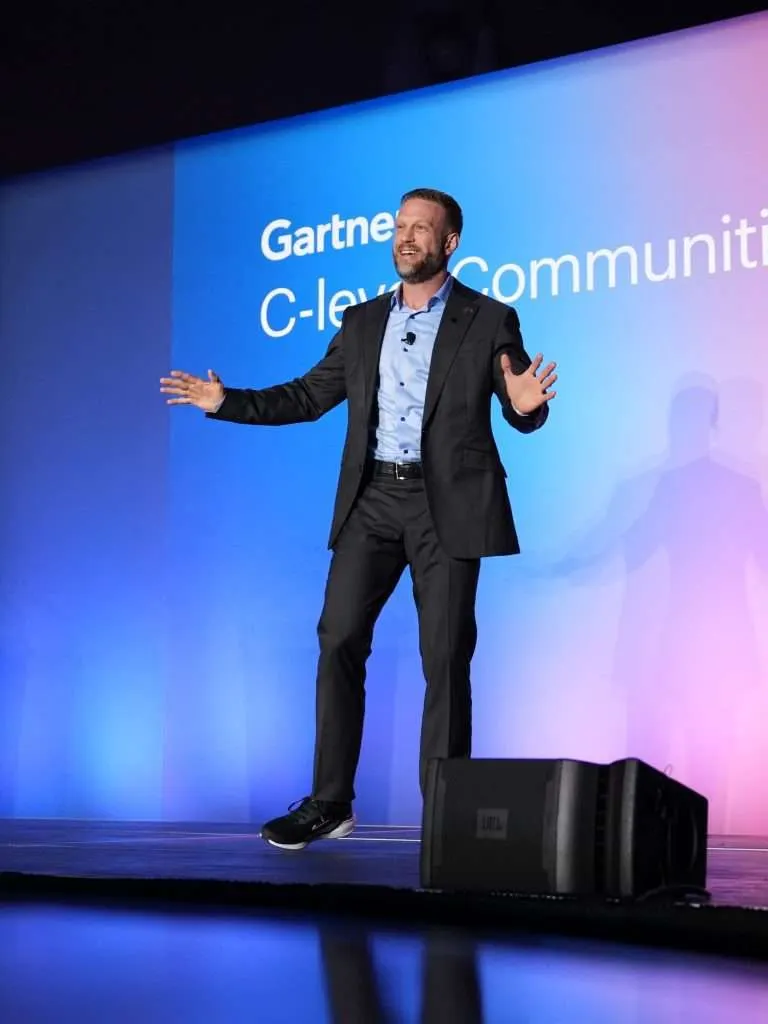
Sean Barnes is the founder of Wolf Executives, a Houston based executive coaching and leadership development firm, and host of The Sean Barnes Podcast. He spent two decades in progressive leadership roles across IT, human resources, ESG, safety, and transportation, and has guided organizations through dozens of acquisitions and integrations as well as two IPOs. Today he coaches directors and senior leaders through the transition into vice president level roles and beyond, and speaks at 40 to 50 conferences and executive events a year across North America as a keynote speaker and conference chair.
About James “JB” Bryant
James “JB” Bryant is a cybersecurity community builder in Houston, the founder of Cyber in Color, and part of AccessIT. A former professional football player, he now brings the same leadership he had as a middle linebacker to helping cybersecurity executives connect, grow, and succeed.